Transjakarta Electric Bus: The Future of Eco-Friendly Transportation in the Capital
Published on : 6 May 2026
|
Last updated : 4 June 2026
|
As Jakarta’s primary BRT system, Transjakarta continues to innovate to improve public service quality. One of its strategic steps is introducing Transjakarta electric buses as a more efficient and environmentally friendly modern mobility solution.
As the trend toward eco-friendly transportation grows, the introduction of electric buses has become an important part of the long-term strategy to create a sustainable transportation system in the capital.
What Is the Transjakarta Electric Bus?
An electric bus is a vehicle powered by an electric motor with no combustion engine. This system makes operations cleaner because it produces no direct emissions, helping to reduce air pollution.
In public service, Transjakarta electric buses are an electric-based fleet operating on both BRT corridors and supporting services. Their presence not only improves operational efficiency, but also promotes more environmentally friendly mobility
The Development of the Electric Bus Fleet at Transjakarta
Since its initial implementation, the Transjakarta electric bus fleet has grown steadily. The number of operating units has increased from dozens to hundreds, demonstrating a strong commitment to accelerating the adoption of eco-friendly transportation.
As the fleet has expanded, electric buses have also begun serving various routes across Jakarta’s BRT network. This expansion strengthens the role of electric buses in the public transportation system, while broadening the reach of cleaner and more efficient services for commuters.
Reasons Why Transjakarta Adopted Electric Buses
Here are some reasons why Transjakarta adopted electric buses:
1. Environmentally Friendly
Electric buses help reduce carbon emissions and air pollution in urban areas. By switching to electric energy, transportation operations become cleaner and support efforts to maintain air quality.
2. Improving Service Quality
Electric buses operate more quietly and with minimal vibration. This makes the journey more comfortable, especially for passengers who use Transjakarta electric buses every day.
3. Supporting Net Zero Emission
This step is in line with the long-term target of achieving net zero emission. Through electric buses, Jakarta’s public transportation system is moving toward more sustainable solutions.
Implementation Examples & Transjakarta Electric Bus Routes
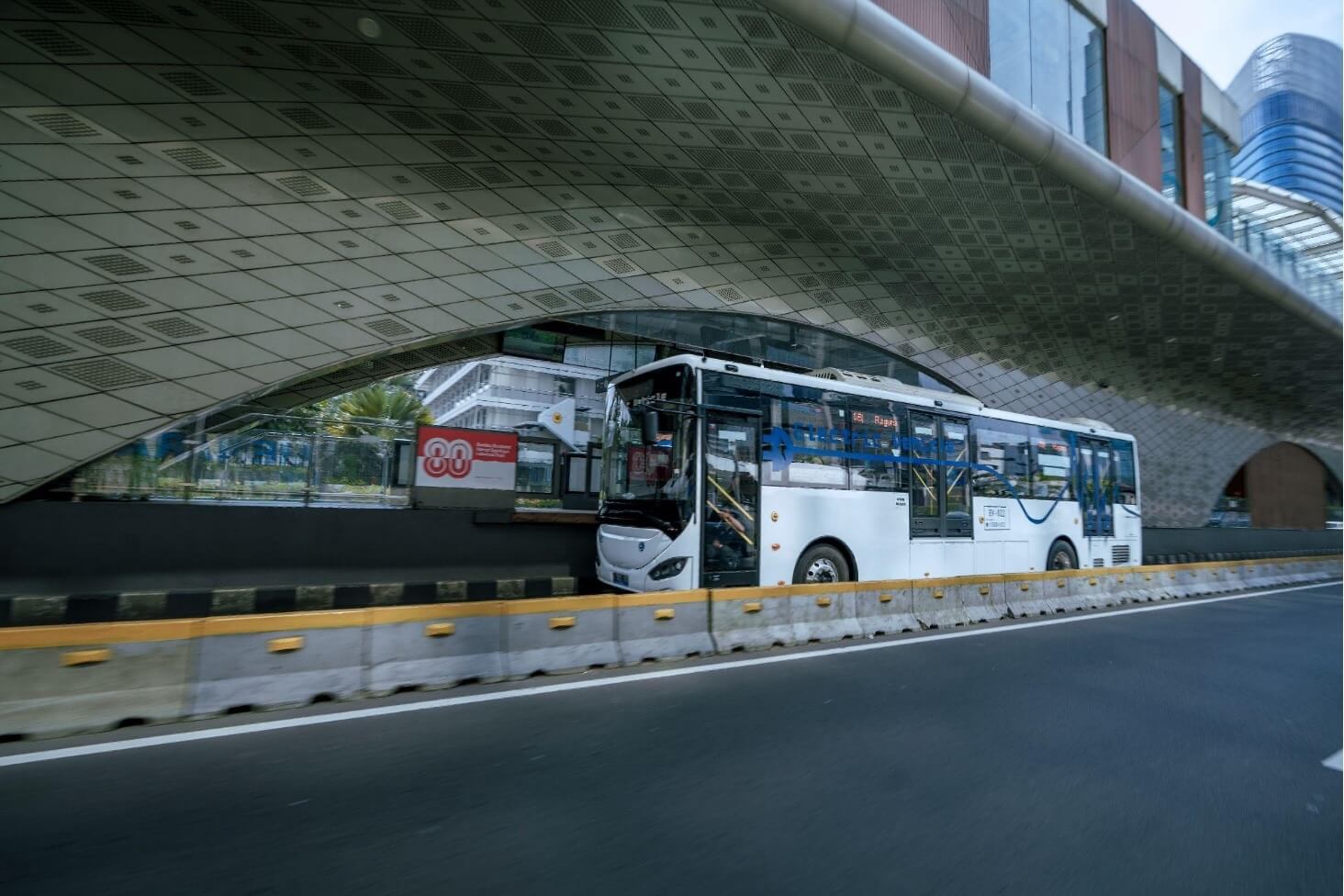
Transjakarta electric buses now operate on various strategic routes, including:
- Blok M – Kota;
- Ragunan – Galunggung;
- Kampung Melayu – Ancol;
- And various other corridors within the Transjakarta network;
With the fleet continuously expanding, more and more Transjakarta routes are introducing electric buses, broadening the reach of eco-friendly services across the capital.
Challenges & Opportunities of Implementing Transjakarta Electric Buses
Here are the challenges and opportunities of using electric buses:
1. Challenges
The challenges in implementing electric buses relate to the readiness of supporting systems to ensure optimal operations, including:
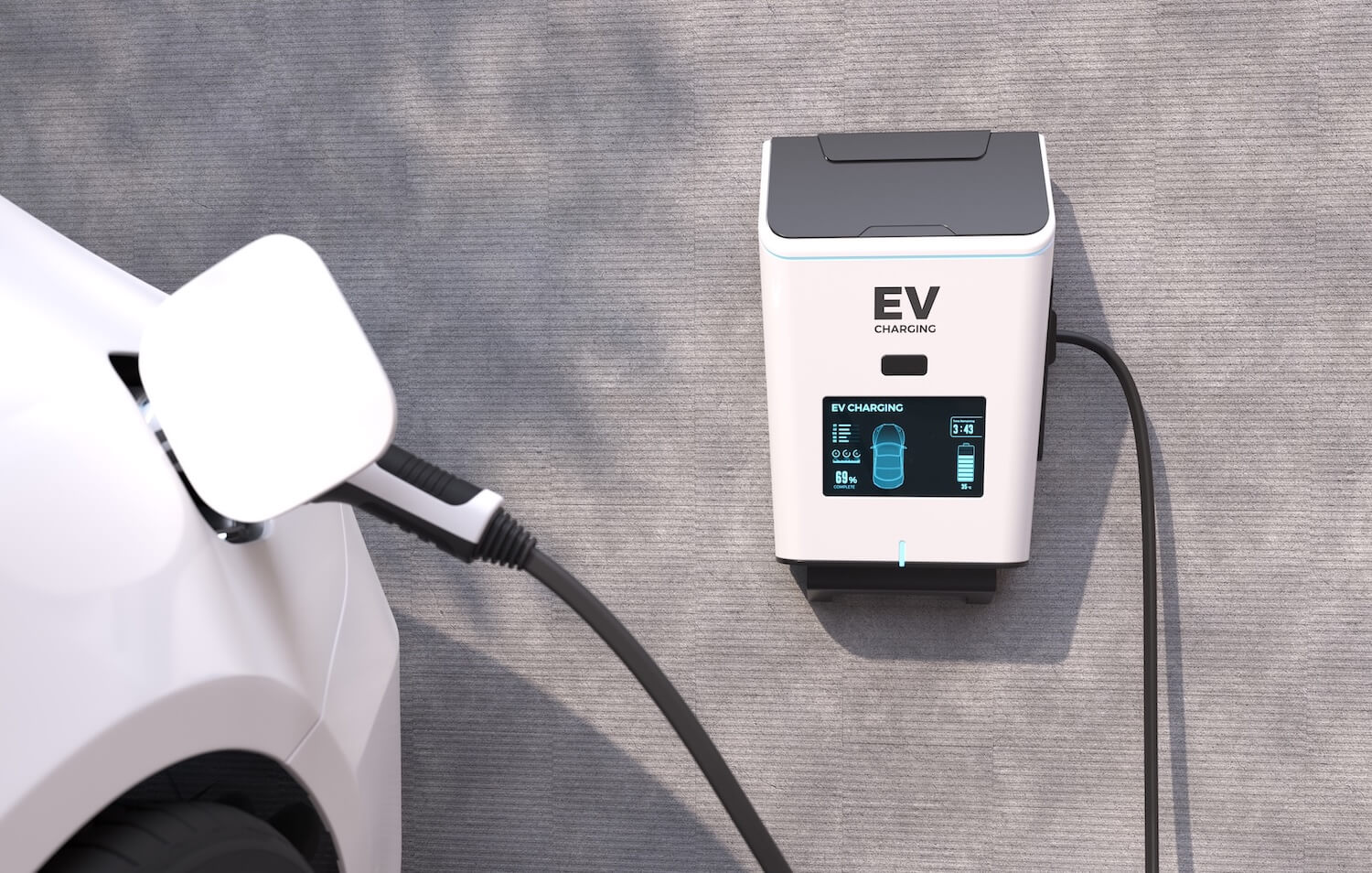
- The need for charging infrastructure to ensure the charging process runs smoothly;
- Large initial investment for unit procurement and system development.
2. Opportunities
Behind these challenges, electric buses also open up great opportunities to improve public transportation quality, such as:
- Quieter operation with minimal vibration, making journeys more comfortable
- Lower and more stable energy costs compared to conventional fuel.
Relevance of Transjakarta Electric Buses to the Electric Bus Trend in Indonesia
The development of Transjakarta electric buses is in line with Indonesia’s continuously growing electric vehicle trend. Various manufacturers are introducing technological innovations, from larger battery capacities to increasingly improved system efficiency.
This development is making electric buses increasingly competitive, both in terms of performance and operational costs, accelerating adoption across various cities.
Electric Buses: A New Direction for Capital City Mobility
The introduction of Transjakarta electric buses represents a concrete step toward more environmentally friendly transportation. This initiative not only supports more efficient urban mobility, but also reinforces the direction of Jakarta’s green transportation policy.
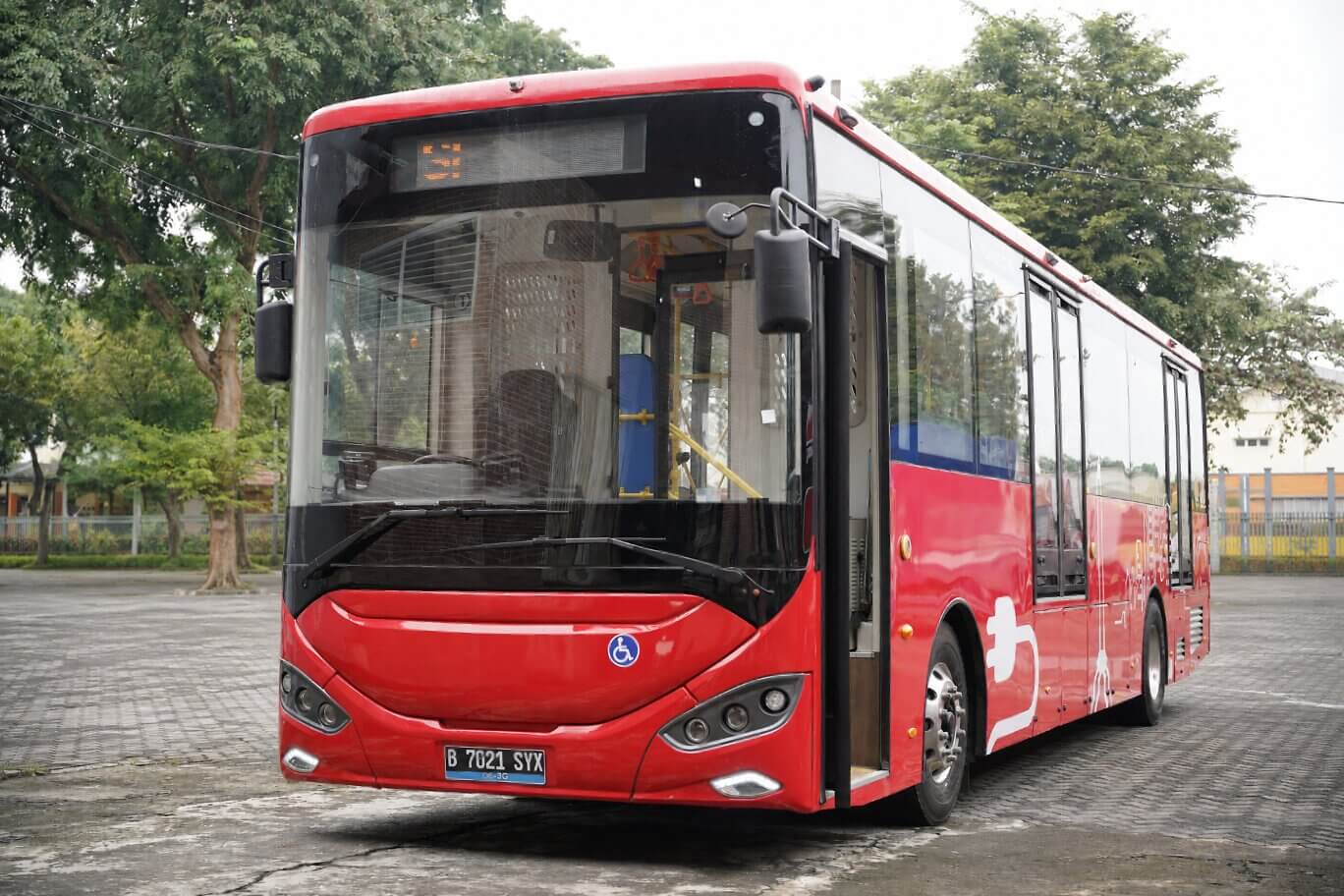
Transjakarta’s commitment to making electric buses the backbone of eco-friendly transportation in Jakarta continues to be strengthened through collaboration with various strategic partners. One such partnership is with PT Energi Makmur Buana (INVI), which conducted pilot testing of the Higer 12-meter high-floor and 7.5-meter high-deck electric buses as part of the validation phase toward commercial implementation.
Through this approach, both bus types were tested not only for technical performance, but also for operational aspects in the field. It is hoped that the results of this pilot will serve as a basis for developing a scalable fleet ready for broader adoption within the public transportation system.In line with the net zero emission target of the DKI Jakarta Provincial Government by 2050, this collaboration ensures that the transition to electric vehicles is not only positive for the environment, but also operationally feasible and sustainable in the long term.