Understanding the Types of Electric Vehicle Chargers and Charging Types in Indonesia
Published: May 8, 2026 | Author: INVIElectric vehicle growth in Indonesia has been steadily increasing in recent years. Along with this trend, the need to understand the types of charger electric vehicle chargers has become increasingly important. By understanding charging options, you can determine the most efficient method suited to your everyday mobility needs.
Furthermore, electric vehicle charging infrastructure is not merely a complement, but a key factor that determines the comfort, efficiency, and sustainability of electric vehicle use going forward. Read on to better understand the various charger vehicle charger types in more detail!
Why Is It Important to Understand the Charger Type of Electric Vehicle?
Understanding the charger type is an important step before using an electric vehicle. Not all electric vehicles support the same charger type, so the choice of charging method must be tailored to the vehicle’s specifications.
In addition, knowing the charger type also provides various practical benefits in day-to-day use, such as:
- Determining charging time: Estimating the duration of charging based on the type of charger being used, whether normal, fast, or ultra-fast;
- Adjusting electrical capacity: Ensuring the electrical capacity at home or at the charging location is sufficient to support the charging process optimally;
- Ensuring vehicle compatibility: Choosing a charger that matches the port and system of the electric vehicle to ensure the charging process runs safely and smoothly.
Types of Charger Based on Charging Speed
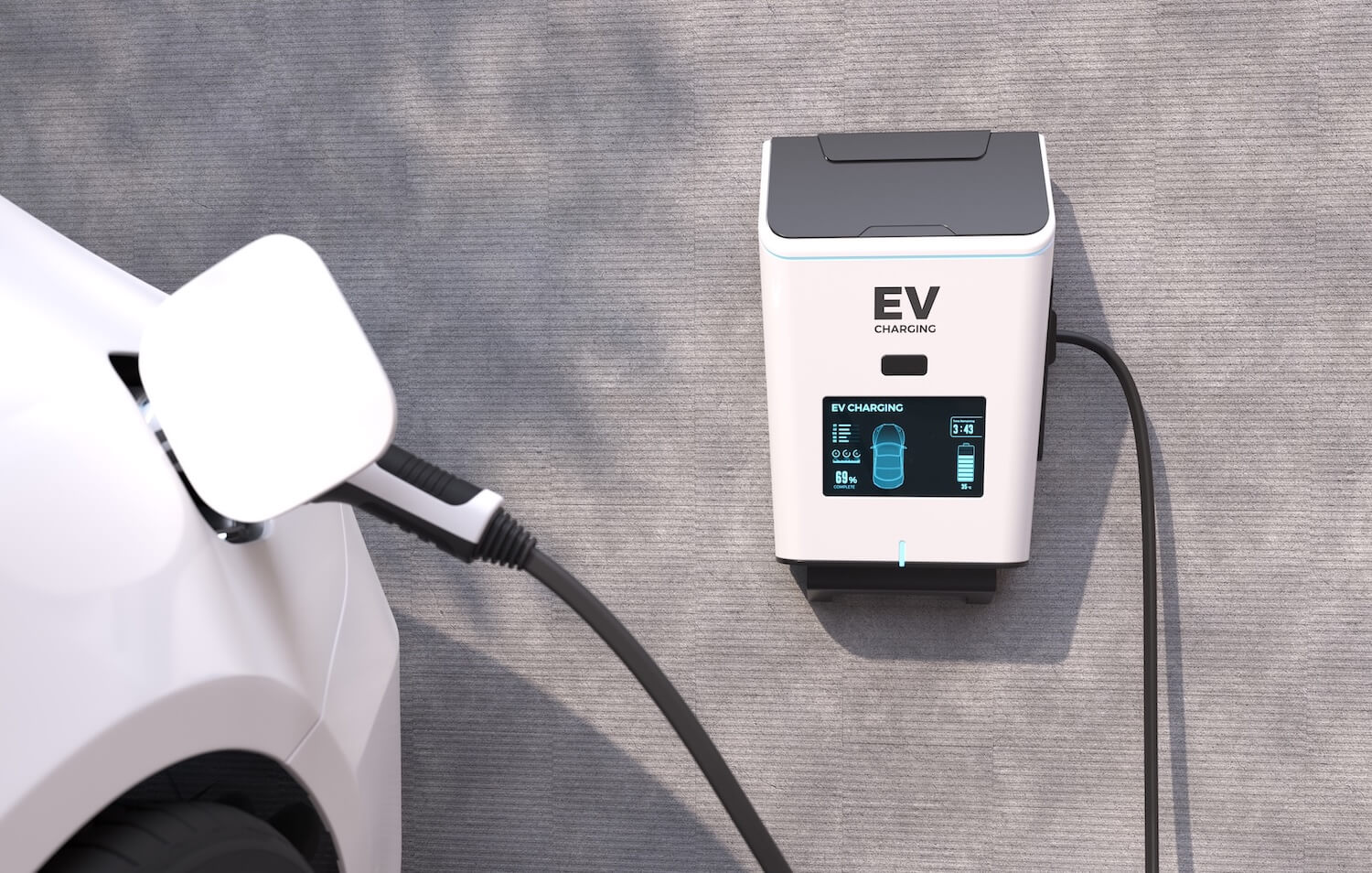
Here are the various charger electric vehicle charger types based on power and speed:
1. Slow Charging (AC)
Slow charging uses approximately 7–22 kW of power and generally utilizes household electricity, with a charging time of around 6–12 hours, making it best suited for overnight charging as it is more stable and economical
2. Fast Charging (DC)
Fast charging has a power output of approximately 22–50 kW and is typically available at public EV charging stations (SPKLU), enabling charging up to 80% in 30–60 minutes, making it ideal for high-mobility daily use as it is faster and more convenient.
3. Ultra-Fast Charging
Finally, there is ultra-fast charging which offers power of up to 350 kW, typically used in premium electric vehicles, with a charging time of under 30 minutes, making it the best solution for long-distance travel thanks to its exceptionally high charging speed.
Types of Charger Electric Vehicle Chargers Based on Connector Type and International Standards
The following table outlines the differences between charger electric vehicle charger types based on their connector:
| Connector Type | Origin | Key Characteristics | Common Usage |
| Type 1 (SAE J1772) | USA | Supports AC charging, generally for slow charging | Widely used in American vehicles |
| Type 2 (Mennekes) | Europe | Supports AC with higher power, now standard in many countries | Used in Europe & many vehicles in Indonesia |
| CCS (Combined Charging System) | Europe & global | Combines AC and DC, enabling fast charging in a single port | Common at modern public charging stations |
| CHAdeMO | Japan | Exclusively for DC fast charging | Widely used in Japanese/Asian vehicles |
| GB/T | China | China-specific standard, available for both AC and DC | Used in China-manufactured vehicles |
SPKLU Infrastructure and Standardization in Indonesia
SPKLU infrastructure development in Indonesia continues to grow alongside the rise of electric vehicles. The government along with INVI Indonesia are providing more public charging points to support user mobility. These efforts also ensure the availability of charger types suited to user needs.
On the other hand, standardization is key to ensuring that various vehicle brands can use the same facilities without issues. With uniform connector and system standards, you can charge more conveniently and safely. Further information on public charging infrastructure can be found on the official page of SPKLU INVI Indonesia.
Choose the Right Charger for Smarter Mobility
Understanding the charger type of electric vehicle is an important step in ensuring efficiency, safety, and comfort in everyday electric vehicle use. By familiarizing yourself with the various charger types and their infrastructure, users can support the transition toward a smarter and more sustainable low-emission transportation system.