Semarang Electric Bus: The Low-Emission Urban Transportation Transformation
Published on : 5 May 2026
|
Last updated : 4 June 2026
|
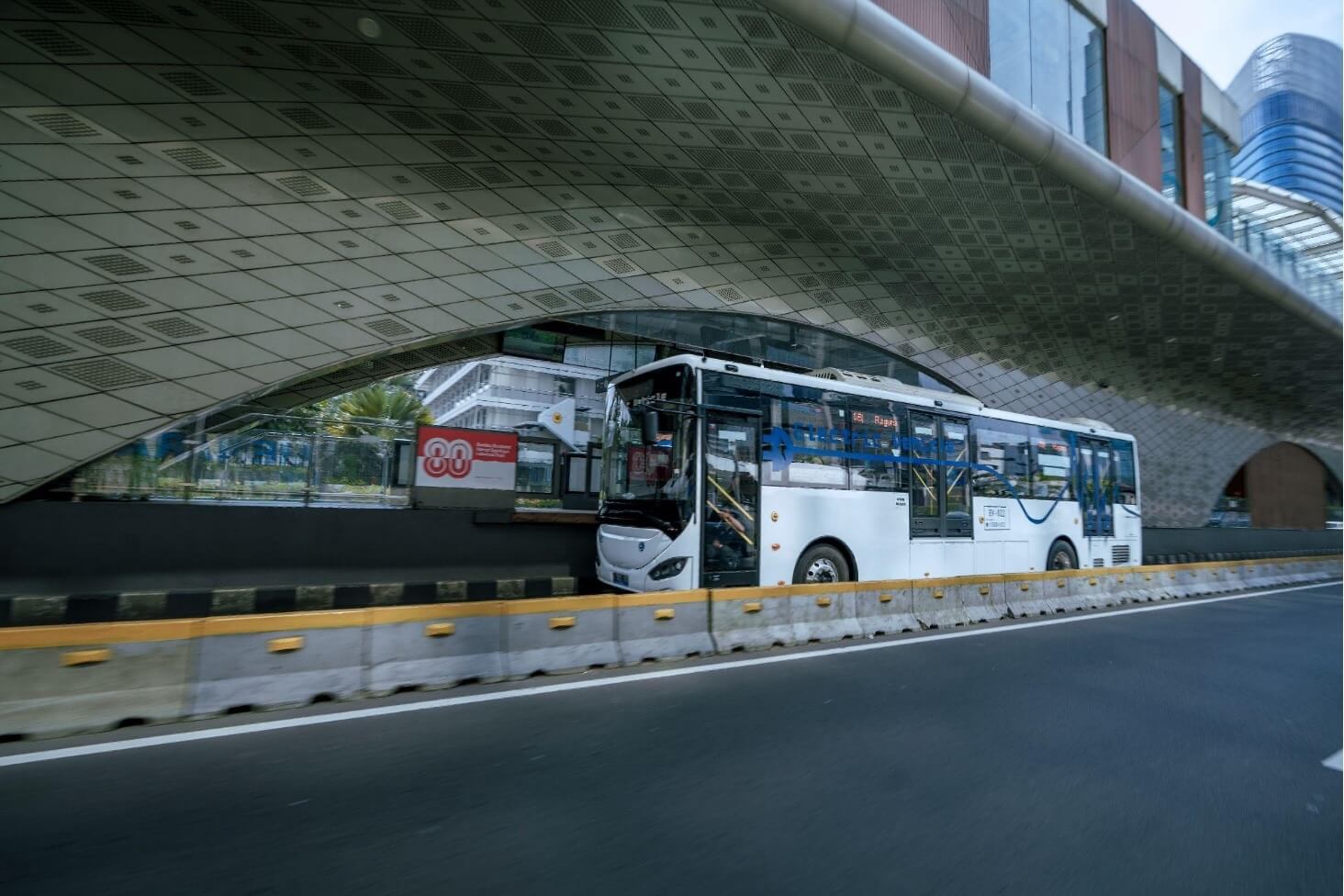
The growing mobility demands in Semarang are driving the need for a more efficient and environmentally friendly transportation system. In response, Semarang electric buses have begun pilot testing on several corridors as part of a move toward cleaner public transportation.
The presence of Semarang electric buses is not merely an alternative, but also complements the existing transportation system. To understand their role and impact, read the full discussion below!
Why Are Electric Buses the Transportation Solution in Semarang?
As mobility increases, Semarang electric buses have emerged as a more efficient and environmentally friendly transportation solution. In addition to providing a transportation alternative, this implementation also contributes to reducing environmental impact in urban areas.
Here are some reasons why electric buses are the transportation solution in Semarang:
- Reducing air pollution compared to fossil-fuel buses;
- More stable energy costs for long-term operations;
- Quieter operation with minimal vibration
- Supporting a sustainable urban transportation system.
The Technology Behind Semarang Electric Bus Operations
Electric bus operations in Semarang are supported by technology designed for urban mobility needs:
1. Design Low Entry for Ease of Access
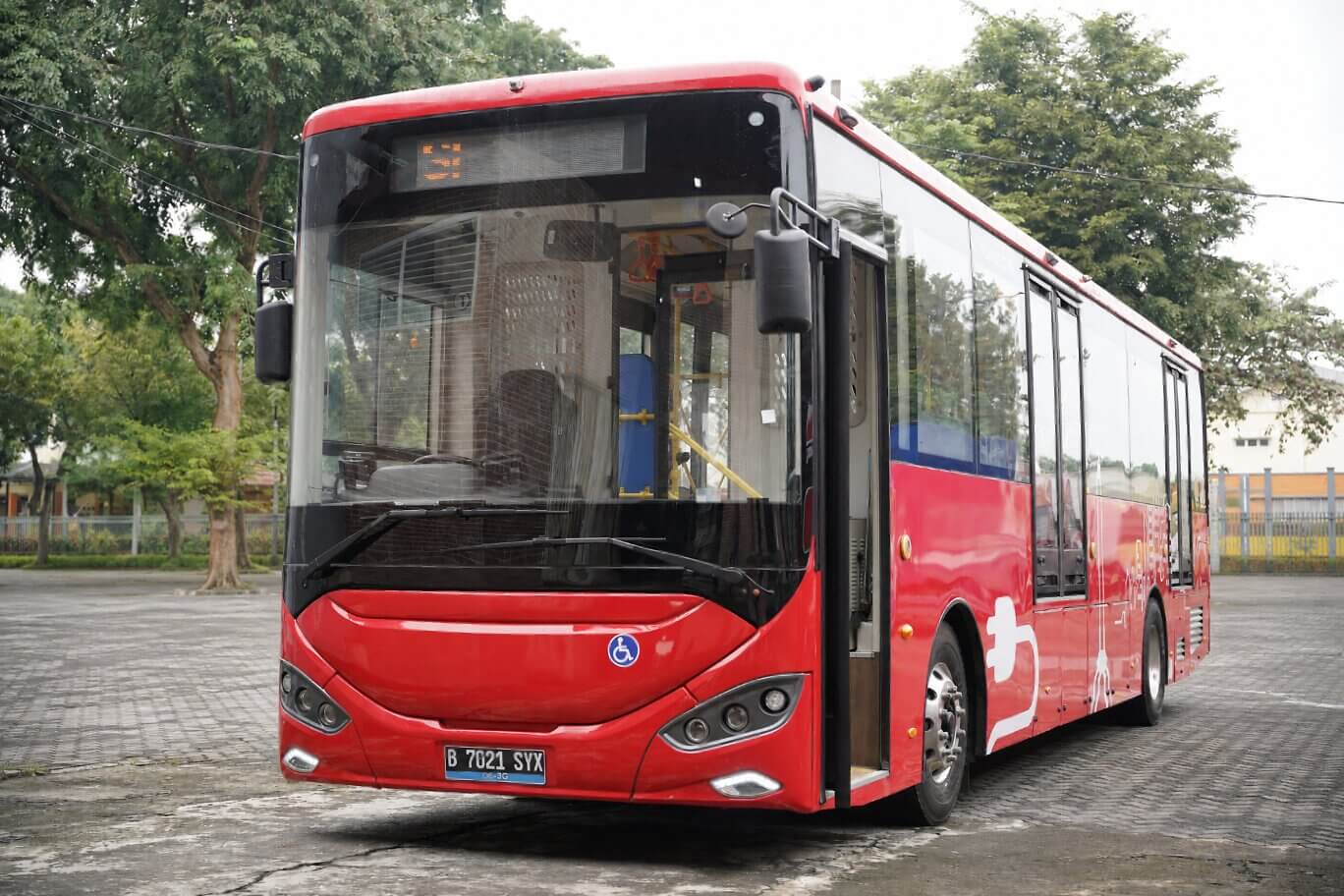
One bus type used features a low entry design approximately 10.5 meters long, supplied by INVI. This design makes it easier for passengers to board and alight, especially the elderly and people with disabilities, while also speeding up passenger flow at stops.
2. Compact Size for Route Flexibility
In addition, INVI also offers an electric van approximately 5 meters long with a capacity of 11–15 passengers in the pilot phase. Its more compact dimensions allow this vehicle to be tested for operation in areas with limited access, potentially extending the transportation service reach to more points within the city.
List of Semarang Electric Bus Pilot Services
During the Semarang electric bus pilot phase with INVI, implementation was not limited to a single service type, but covered various operational scenarios to test vehicle performance in the field.
Some of these pilot services include:
- Main BRT corridor on the Mangkang – Penggaron route using a 12-meter electric bus (BRT)
- Corridor 5 on the PRPP – Meteseh route using a 10.5-meter electric bus
- Feeder corridor to reach supporting areas using a 5-meter electric van
This approach enables comprehensive testing, from high-capacity main routes to routes with more dynamic access.
Challenges and Infrastructure Readiness of Semarang Electric Buses:
Beyond the vehicles themselves, here are the challenges in implementing electric buses in urban areas:
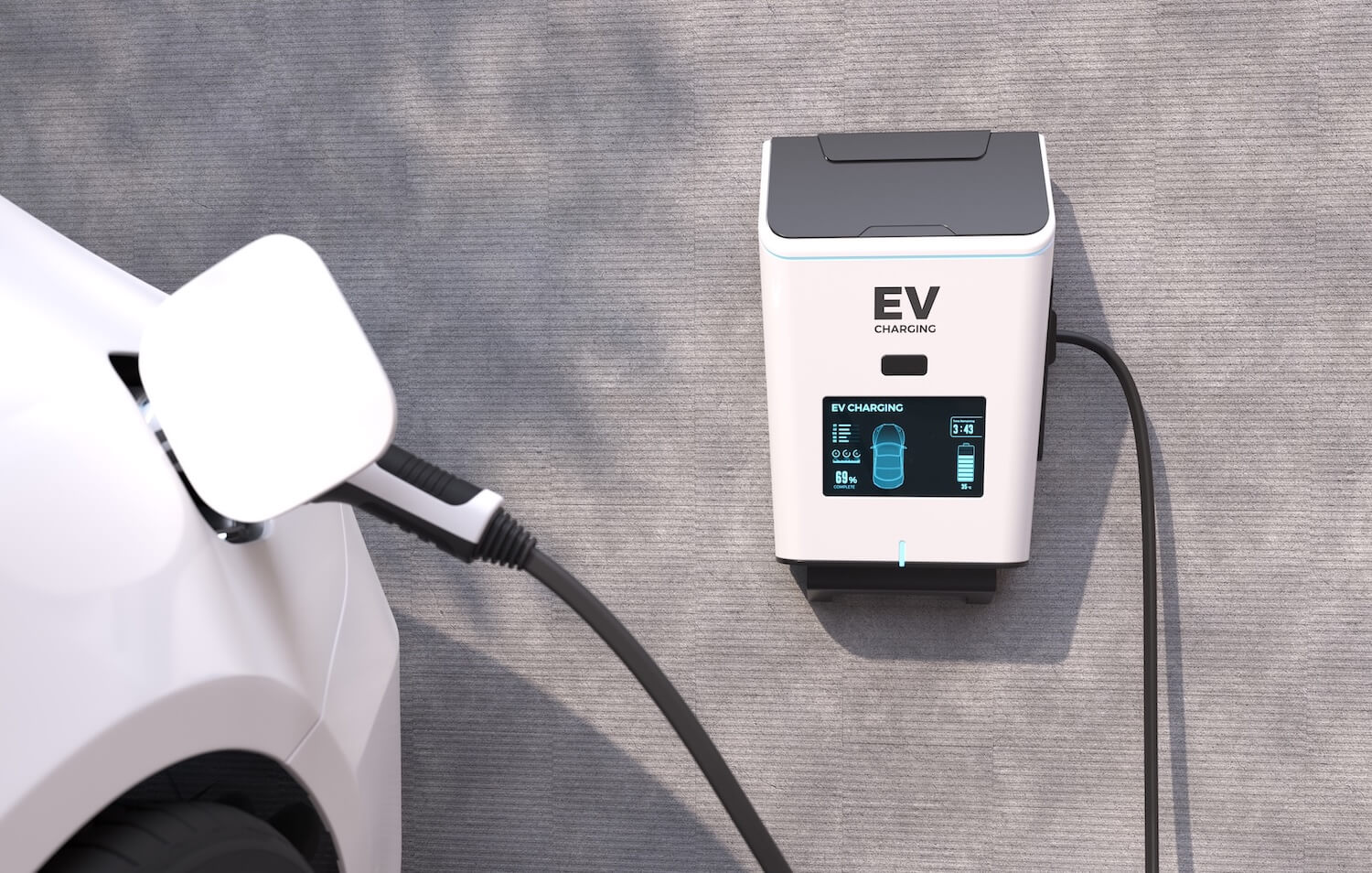
1. Adequate SPKLU Availability
The use of electric buses requires the support of charging stations distributed at strategic points. With sufficient availability, bus operations can run more efficiently without range or charging time constraints.
2. System and Charger
Each electric vehicle has different specifications, making system and charger standardization crucial. This ensures the charging process is more practical and compatible with various vehicle types.
3. Human Resource Adaptation and Initial Investment
Operators and technicians need a thorough understanding of the electric vehicle system. Meanwhile, the substantial initial investment can be a challenge, although it can be offset through long-term efficiency.
INVI’s Role in Developing Semarang Electric Buses
INVI plays a role in electric bus development through collaboration with Trans Semarang in the operational pilot phase. This initiative is an early step in strengthening the readiness of the electric vehicle-based public transportation system.
In this program, INVI provides various types of electric vehicles from Higer, including the 12-meter BRT, 10.5-meter low entry bus, and 5C EV Van. This support covers vehicle technology, operational systems, and integrated after-sales services to ensure optimal performance.
The Future of Semarang’s Transportation with Electric Buses
The development of electric buses in Semarang signals a new direction for public transportation with lower emissions. This pilot not only tests the vehicles, but also the readiness of supporting systems to ensure optimal operations.
Going forward, electric buses have the potential to become an important part of Indonesia’s green transportation strategy. This trend opens up opportunities for cleaner and more efficient mobility, while encouraging other cities to begin transitioning to sustainable transportation solutions.