The Most Environmentally Friendly Energy Sources for a Sustainable Future
Published on : 2 November 2026
|
Last updated : 16 November 2026
|
The energy crisis and climate change are driving the world to seek more environmentally friendly energy sources. Amid continuously growing energy demand, adopting clean energy is an important step toward reducing the impact of human activities on the environment.
So, what are the most environmentally friendly energy sources? To answer this question, it is important to understand the different types of clean energy, their benefits, and their role in creating a more sustainable future. Read on to find out!
Why Do We Need Environmentally Friendly Energy Sources?
The use of coal and petroleum generates greenhouse gas emissions that accelerate global warming and worsen air pollution. According to the United Nations (UN), fossil fuels are the largest contributor to global climate change.
Therefore, adopting environmentally friendly energy sources is essential to reducing carbon emissions and air pollution. These efforts also help reduce dependence on fossil fuels and pave the way for a more sustainable future.
Criteria for the Most Environmentally Friendly Energy Sources
Several criteria should be considered when determining which energy sources are the most environmentally friendly, including:
- Producing minimal emissions to avoid exacerbating global warming;
- Coming from naturally available resources that can be used over the long term;
- Avoiding significant damage to natural habitats, land, and water resources;
- Minimizing air pollution and exposure to hazardous substances that could harm human health.
Types of Environmentally Friendly Energy Sources
Different energy sources offer distinct benefits and serve various purposes, depending on the resources available in each region. The primary types include:
1. Solar Energy
Solar power systems convert sunlight into electricity using photovoltaic panels. As a renewable energy source, solar power is widely available and generates very low emissions during operation.
2. Wind Energy
Wind power is generated when turbines capture the kinetic energy of moving air and convert it into electricity. It is particularly effective in locations with strong, consistent wind conditions.
3. Hydropower
Hydroelectric power is produced by using the movement of water to operate turbines that generate electricity. When managed responsibly, this renewable energy source can contribute to a reliable and sustainable power supply.
4. Geothermal Energy
Geothermal energy comes from heat beneath the Earth’s surface, which can be harnessed to generate electricity. Indonesia has significant geothermal potential because it is located in a region with high volcanic activity.
5. Biomass Energy
Finally, biomass energy uses organic materials, such as agricultural waste and plant residues, as energy sources. Its use can help manage waste, but it must be properly managed to prevent excessive emissions.
Indonesia’s Transition to Clean Energy
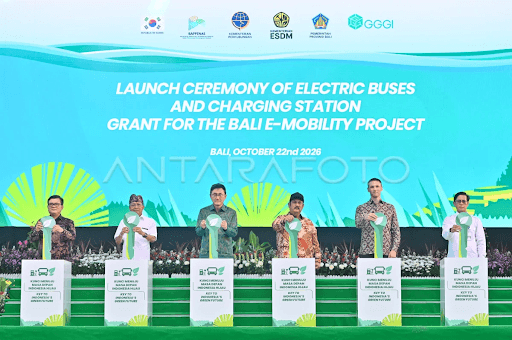
Indonesia continues to promote renewable energy development to support its target of achieving Net Zero Emissions by 2060 or sooner. Beyond the power generation sector, transportation also plays an important role in reducing emissions.
Electric vehicles and charging infrastructure can support low-emission mobility, particularly as electricity supplies increasingly come from cleaner energy sources.
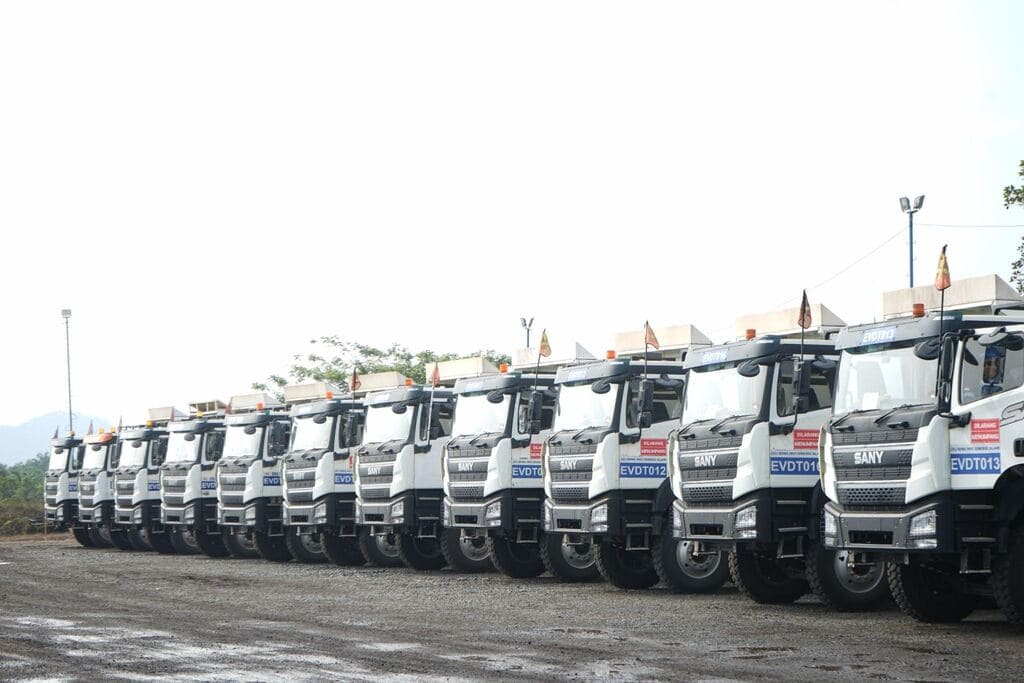
As part of Indonesia’s commercial electric vehicle ecosystem, invi Indonesia supports the transition toward more sustainable mobility by providing electric vehicles, charging infrastructure, after-sales services, and operational support.
The Time to Switch to Clean Energy Is Now
The most environmentally friendly energy sources include solar, wind, hydropower, and geothermal energy, all of which generate electricity with relatively low operational emissions. Harnessing renewable energy helps reduce the impacts of climate change while preserving ecological balance.
Together with INVI Indonesia, let us raise awareness of the importance of the energy transition through innovation and public education. With concrete action and the right technology, we can help protect the Earth’s ecological balance and secure a better future for generations to come.