Understanding the Impact of Global Warming on the Environment and Human Life
Published on : 19 October 2026
|
Last updated : 19 October 2026
|
The increase in global surface temperatures over the past several decades has become increasingly evident through extreme weather events and unpredictable seasonal patterns. High consumption of fossil fuels and industrial activities without proper emissions management are among the primary drivers of this crisis. If left unaddressed, these impacts could damage ecosystems and reduce people’s quality of life. Therefore, adopting green technologies and environmentally friendly transportation is an important step toward reducing carbon emissions. To better understand the impacts of global warming and how we can help protect the planet, let us explore the following explanation.
What Does Global Warming Mean, and What Drives It?
Global warming refers to the gradual rise in the planet’s average temperature over an extended period. One of its primary causes is the increasing concentration of greenhouse gases that trap heat in the atmosphere.
Gases such as carbon dioxide (CO₂), methane (CH₄), and nitrous oxide (N₂O) can be released through various human activities, including:
● Burning coal, oil, and natural gas.
● Deforestation and the loss of forest areas.
● Industrial and transportation activities.
● High levels of energy consumption.
The more emissions released into the atmosphere, the greater the pressure placed on Earth’s climate system. This, in turn, contributes to the wide-ranging impacts of global warming on the environment and human life.
The Environmental Impacts of Global Warming
Rising global temperatures are affecting the balance of both terrestrial and marine ecosystems. Some of the impacts associated with global warming include:
● Rising sea levels, driven in part by melting ice sheets and the thermal expansion of seawater.
● Increasingly extreme weather events, such as floods, droughts, heat waves, and storms, which can disrupt people’s daily activities.
● Disruptions to biodiversity, as some species struggle to adapt to changes in temperature and habitat.
● Changes in the water cycle and agricultural patterns, which can affect water availability and food production.
The Effects of Global Warming on Human Life
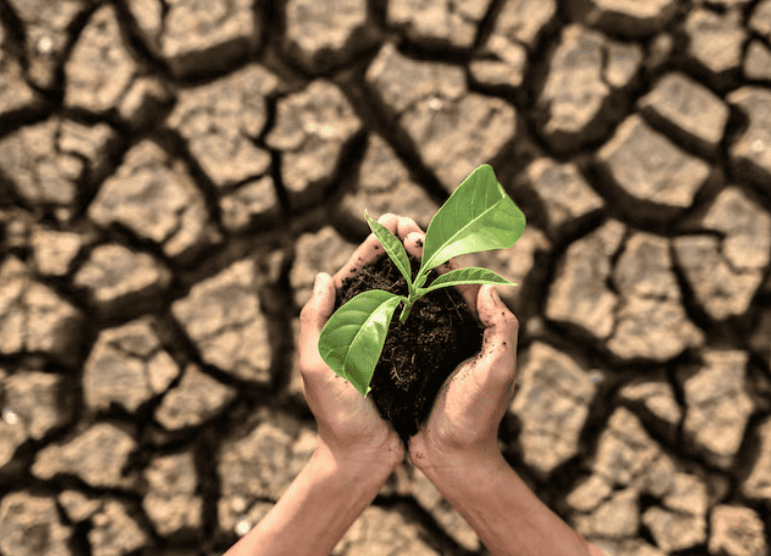
Global warming affects not only the natural environment but also human life, particularly across social and economic sectors. People’s daily well-being can be threatened by the effects of global warming. Some of the impacts include:
● Declining agricultural yields and food insecurity: Crop failures caused by unpredictable weather can threaten the availability of staple foods. In addition, changing rainfall patterns can disrupt access to clean water.
● Health risks: Heat waves and changing environmental conditions can increase the risk of certain health problems, including heat-related illnesses and diseases associated with the spread of disease vectors.
● Economic and infrastructure losses: Natural disasters can damage homes and public infrastructure, resulting in significant repair and recovery costs.
Efforts to Reduce the Impacts of Global Warming
Reducing carbon emissions requires collective action from governments, industries, and communities. Possible steps include:
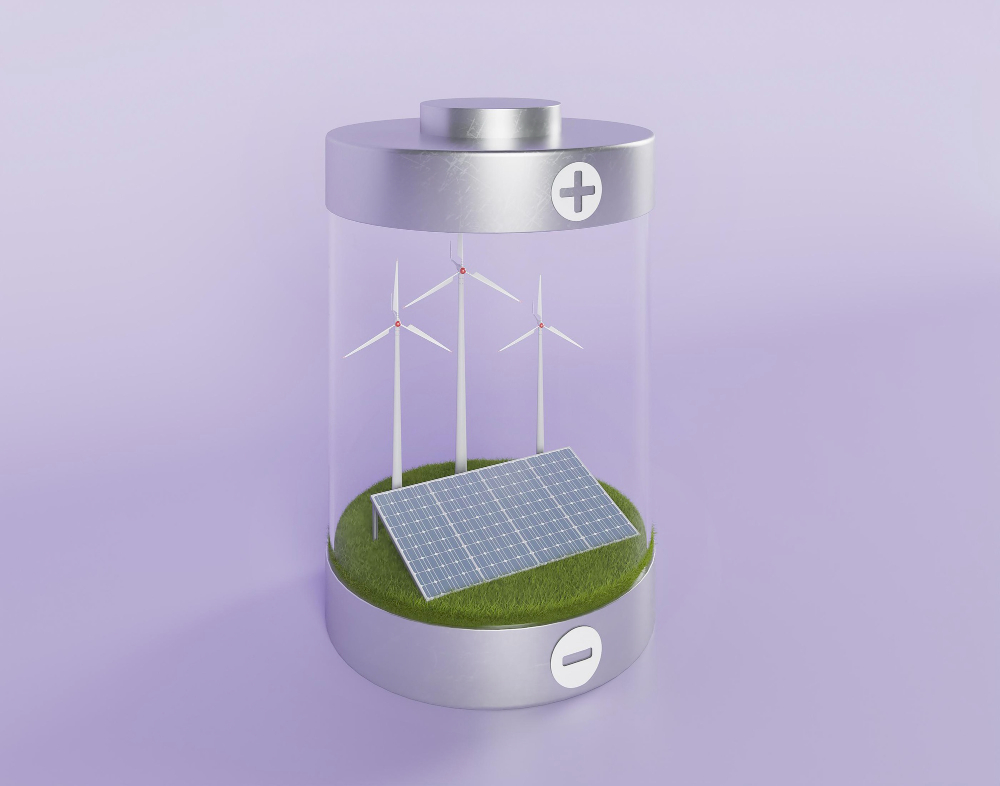
● Transitioning to cleaner energy sources and using electric vehicles.
● Protecting forests and carrying out reforestation efforts.
● Improving energy efficiency.
● Reducing carbon emissions from the industrial and transportation sectors.
Indonesia also has a policy framework for controlling greenhouse gas emissions through Presidential Regulation No. 110 of 2025 concerning the Implementation of Carbon Economic Value Instruments and National Greenhouse Gas Emissions Control.
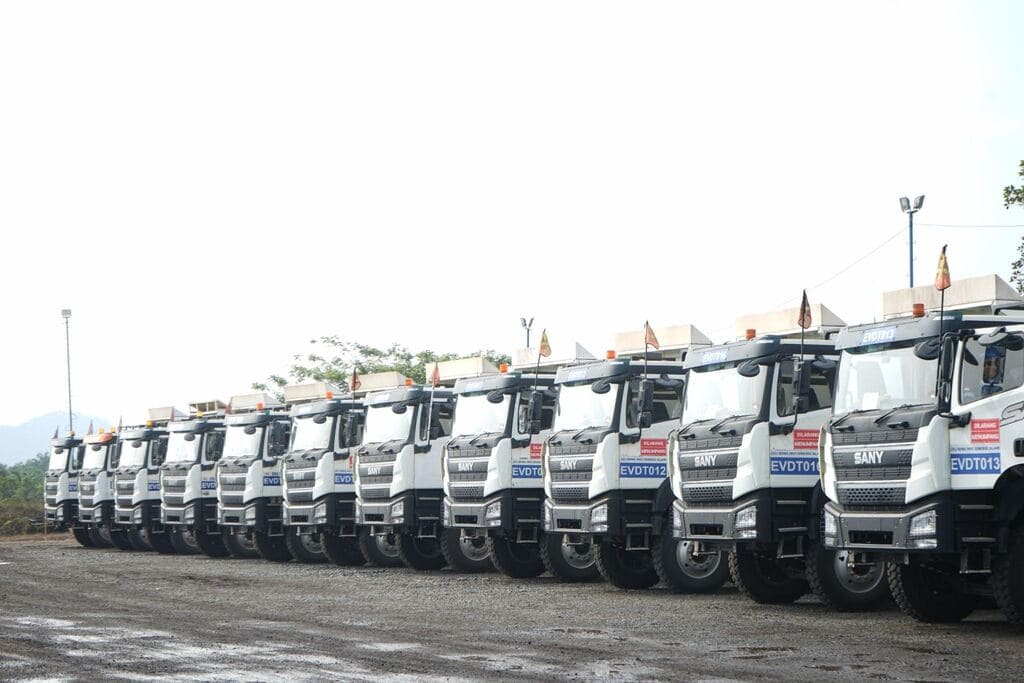
In the transportation sector, electrification is part of the transition toward cleaner mobility. invi Indonesia provides commercial electric vehicle solutions, including electric buses and trucks, along with supporting charging infrastructure.
The effects of global warming are becoming more noticeable.They affect not only the environment but also human well-being. Therefore, reducing carbon emissions is not solely the responsibility of governments or industries; it requires contributions from various stakeholders. Understanding the issue and beginning to adopt low-emission technologies and transportation systems can be part of the solution. Together with invi Indonesia, let us move toward cleaner, more efficient, and more sustainable mobility for the future.