Understanding LFP Batteries: A Durable Battery Technology for Electric Vehicles
Published on : 22 September 2026
|
Last updated : 22 September 2026
|
As electric vehicles (EVs) continue to gain traction in Indonesia and around the world, battery technology has become an increasingly important part of the conversation. The battery affects more than just driving range, it also plays a key role in vehicle performance, charging, safety, and overall lifespan.
One battery chemistry that has gained significant attention is LFP, or lithium iron phosphate (LiFePO₄). Known for its thermal stability, long cycle life, and consistent performance, LFP has become a popular choice for electric vehicles and energy storage systems (ESS).
So, what makes LFP batteries different from other lithium-ion battery chemistries, and why are they being used in EVs? Let’s take a closer look.
What Is an LFP Battery?
An LFP battery is a type of lithium-ion battery that uses lithium iron phosphate (LiFePO₄) as its cathode material. As the name suggests, the chemistry contains lithium, iron, and phosphate.
Compared with other lithium-ion chemistries, such as nickel manganese cobalt (NMC) and nickel cobalt aluminum (NCA), LFP has a relatively stable chemical structure. This gives the battery good thermal stability and helps it perform reliably under demanding operating conditions.
LFP batteries are now widely used in various applications, including electric vehicles, commercial fleets, and energy storage systems.
Key Benefits of LFP Batteries
LFP has several characteristics that make it well suited to applications where durability, reliability, and frequent use matter.
1. Strong Thermal Stability
One of the key advantages of LFP chemistry is its thermal stability. Compared with some other lithium-ion chemistries, LFP is less prone to thermal instability at elevated temperatures.
However, battery safety does not depend on chemistry alone. Proper cell design, a battery management system (BMS), thermal management, and appropriate charging and operating conditions all play an important role in maintaining battery safety.
2. Long Cycle Life
LFP batteries are known for their long cycle life, meaning they can undergo many charge and discharge cycles before their capacity significantly decreases.
Depending on the cell design, operating conditions, charging practices, and other factors, some LFP batteries can support thousands of cycles. This makes the chemistry particularly attractive for EVs and commercial vehicles that are used frequently.
3. No Cobalt or Nickel in the Cathode
Unlike NMC and NCA batteries, LFP batteries do not use cobalt or nickel in their cathode chemistry.
This can provide advantages in terms of material availability and supply-chain considerations. It is also one reason LFP has become an increasingly attractive option for EV manufacturers looking for alternative battery chemistries.
4. Consistent Performance
LFP batteries can deliver stable performance across repeated charge and discharge cycles. This characteristic makes them suitable for applications that require regular operation, from passenger EVs to commercial fleets and energy storage systems.
Limitations and Challenges of LFP Batteries
Despite its advantages, LFP is not the ideal battery chemistry for every application.
One of its main trade-offs is lower energy density compared with some NMC and NCA batteries. In simple terms, an LFP battery may need more space or weight to store the same amount of energy. For an EV, this can influence the vehicle’s overall weight, packaging, and potential driving range.
LFP performance can also be affected by low temperatures. Cold conditions can reduce charging and discharge performance, making temperature management an important consideration in certain environments.
That is where the vehicle’s battery management system (BMS) and thermal management system become especially important. By monitoring factors such as temperature, voltage, and state of charge (SOC), these systems help maintain battery performance and operating conditions.
As battery technology continues to evolve, manufacturers are working to improve LFP’s energy density, charging performance, and cold-weather capabilities while maintaining its core advantages.
The Role of LFP in Indonesia’s EV Ecosystem
The use of LFP batteries is expanding globally, including in electric vehicles and energy storage applications. Their combination of long cycle life, thermal stability, and consistent performance makes them particularly relevant for vehicles that undergo frequent daily operation.
For Indonesia, battery thermal management is an important consideration. The country’s tropical climate can expose vehicles and their battery systems to relatively high ambient temperatures. A properly designed battery pack, BMS, and thermal management system can help maintain reliable performance under these conditions.
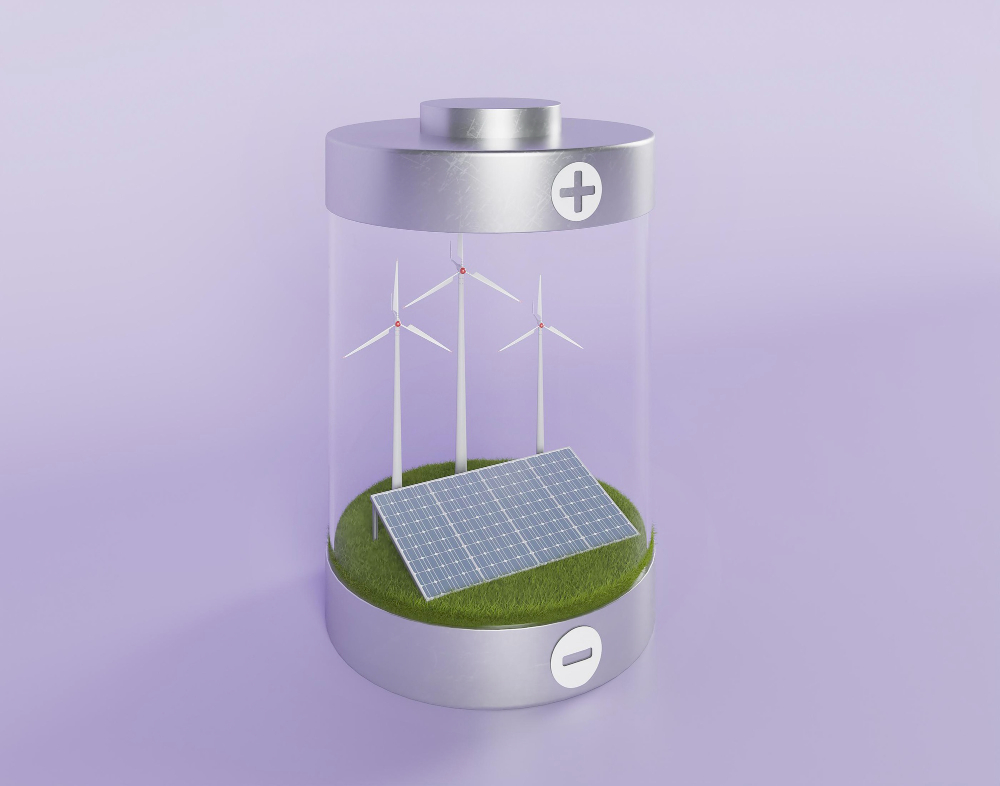
Beyond electric vehicles, LFP technology also has an important role to play in energy storage systems (ESS). These systems can store electricity for later use and support applications such as renewable energy integration, backup power, and energy management.
As Indonesia continues to develop its EV and clean-energy ecosystem, battery technologies such as LFP can contribute to a more efficient and sustainable transportation and energy landscape.
Is LFP a Good Battery Choice for Electric Vehicles?
There is no single battery chemistry that is best for every EV application. The right choice depends on factors such as vehicle type, driving range, operating conditions, charging requirements, cost, and intended use.
LFP stands out for its long cycle life, thermal stability, and consistent performance, while its lower energy density can be a consideration for applications where maximum range and low vehicle weight are priorities.
As EV adoption continues to grow, LFP will remain an important part of the battery technology landscape. For electric mobility solutions, choosing the right battery technology is ultimately about matching the battery’s characteristics with the vehicle and its operational needs.
As a provider of electric mobility solutions, INVI supports transportation and operational needs through solutions designed for the evolving EV ecosystem.