Electric Bus Efficiency: The Key to Energy-Efficient Transportation
Published on : 23 July 2026
|
Last updated : 23 July 2026
|
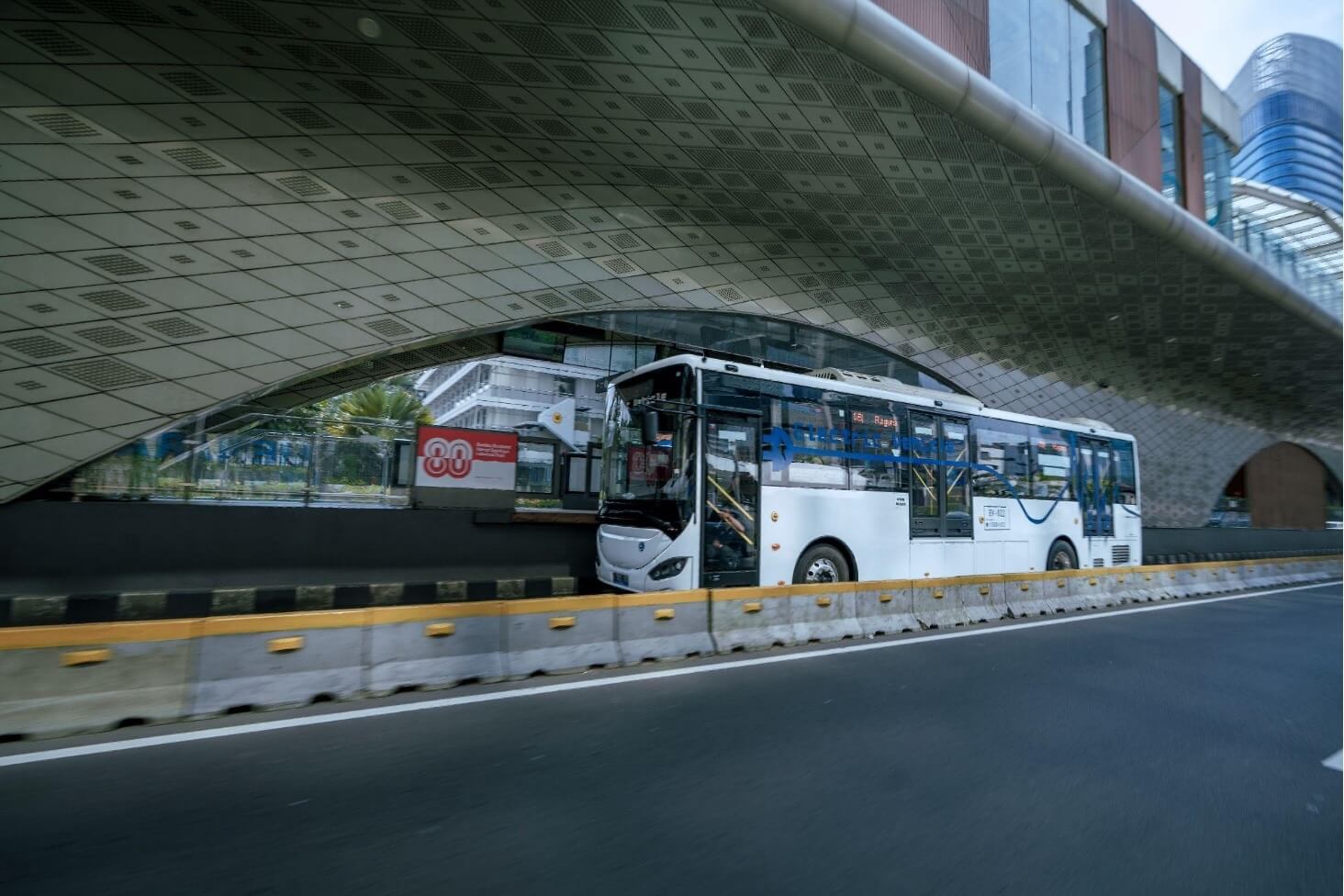
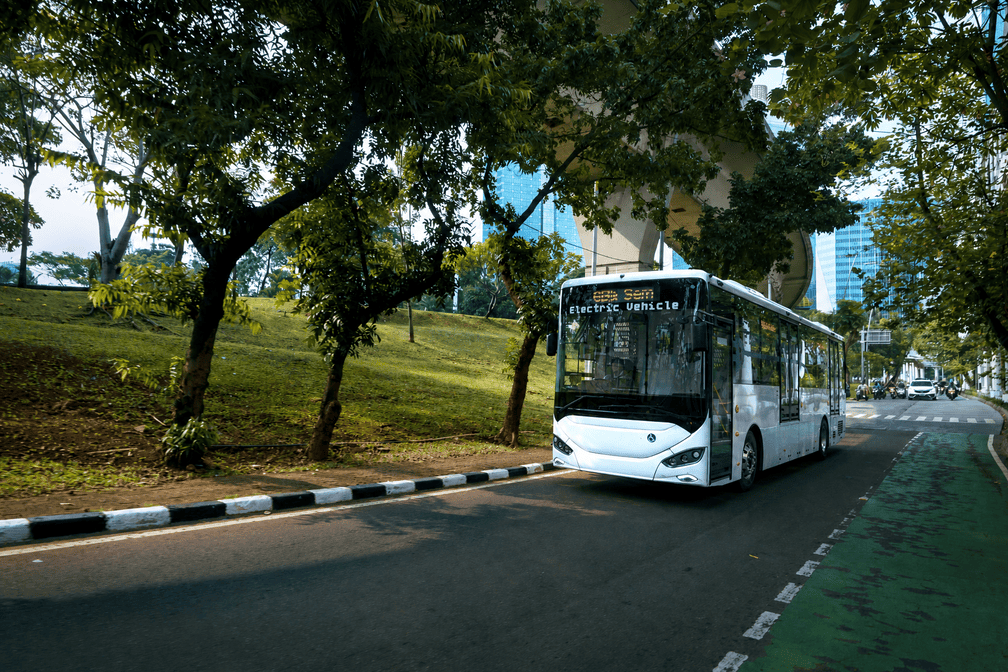
The adoption of electric buses in Indonesia continues to grow as the demand for cleaner, more energy-efficient transportation increases. Compared to conventional fossil fuel-powered vehicles, electric buses use energy more efficiently while significantly reducing emissions. As a result, they are becoming a preferred solution for the future of public transportation. Read on to discover how electric buses achieve greater efficiency and why they are transforming the transportation sector.
Understanding Electric Bus Efficiency
Electric buses are designed to maximize energy utilization far more effectively than conventional vehicles. Unlike internal combustion engine (ICE) buses, which lose a significant amount of energy as heat during the combustion process, electric buses convert a much higher percentage of stored energy into usable driving power.
This superior energy conversion makes electric buses considerably more efficient than traditional diesel or gasoline-powered vehicles. By using energy more effectively, they help reduce overall energy consumption while delivering reliable operational performance.
Factors That Influence Electric Bus Efficiency
The efficiency of an electric bus depends on several integrated technologies working together. The more advanced these technologies are, the better the vehicle can optimize energy use and overall performance. Key factors include:
- High-capacity, long-lasting battery technology.
- Highly efficient electric motors that maximize power output.
- Regenerative braking systems that recover energy during deceleration.
- Lightweight vehicle designs that reduce energy consumption.
Key Benefits of Energy-Efficient Electric Buses
Energy efficiency is one of the primary reasons electric buses are gaining popularity in the transportation industry. In addition to reducing energy consumption, they offer significant advantages for both operators and the environment.
Some of the key benefits include:
- Lower transportation operating costs.
- Reduced overall energy consumption.
- Lower carbon emissions.
- Improved air quality in urban areas.
- Support for more sustainable transportation systems.
These advantages make electric buses a practical solution for building modern, environmentally friendly transportation systems.
The Role of Technology in Improving Electric Bus Efficiency
Advancements in electric vehicle technology continue to drive improvements in energy efficiency. From battery management systems to real-time vehicle monitoring, these innovations are designed to optimize energy use and maximize operational performance.
Some of the most widely adopted technologies include:
- Battery management systems (BMS) that optimize battery performance and extend battery life.
- Real-time vehicle monitoring.
- Intelligent energy management and distribution systems.
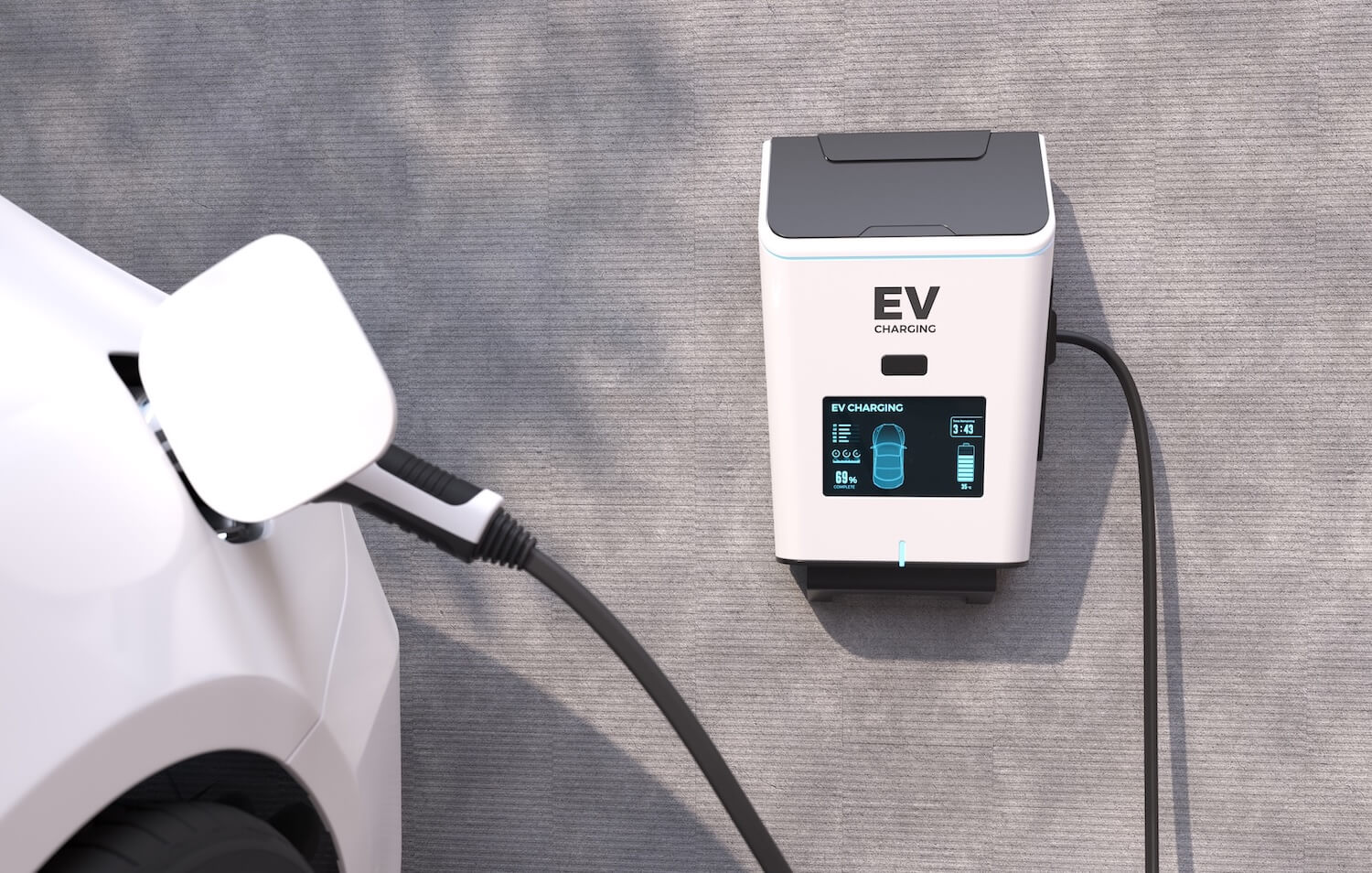
- Faster, more efficient charging solutions.
Together, these technologies enable fleet operators to maximize vehicle utilization while reducing long-term operating costs.
INVI’s Role in Advancing Electric Bus Efficiency
As Indonesia’s electric vehicle ecosystem continues to evolve, INVI Indonesia is helping advance the development of technologies and components that improve the efficiency of electric vehicles. These efforts support the growing demand for transportation solutions that are modern, energy-efficient, and sustainable.
INVI’s contributions include:
- Developing advanced electric vehicle technologies.
- Supporting the development of energy-efficient components.
- Providing solutions that optimize electric vehicle operations.
- Promoting the growth of sustainable transportation.
Through continuous innovation, INVI is committed to accelerating the transition toward cleaner and more sustainable transportation systems.
Electric buses are becoming an increasingly important part of the future of sustainable transportation. Their superior energy efficiency, lower operating costs, and reduced environmental impact make them a compelling solution for modern transit systems. By partnering with INVI Indonesia, organizations can help accelerate the transition to transportation that is more efficient, sustainable, and environmentally responsible.