Understanding Electric Vehicle Charging Stations in Indonesia
Published on : 13 August 2026
|
Last updated : 13 August 2026
|
The adoption of electric vehicles (EVs) in Indonesia continues to grow, driving increased demand for electric vehicle charging stations. These facilities play a vital role in enhancing the convenience of EV ownership while supporting the country’s transition toward cleaner energy. Through the expansion of Public Electric Vehicle Charging Stations (SPKLU), the Indonesian government, together with industry stakeholders, is working to reduce carbon emissions and foster a sustainable electric vehicle ecosystem. But what exactly is an EV charging station, and what types are available? The following guide explains everything you need to know.
What Is an Electric Vehicle Charging Station?
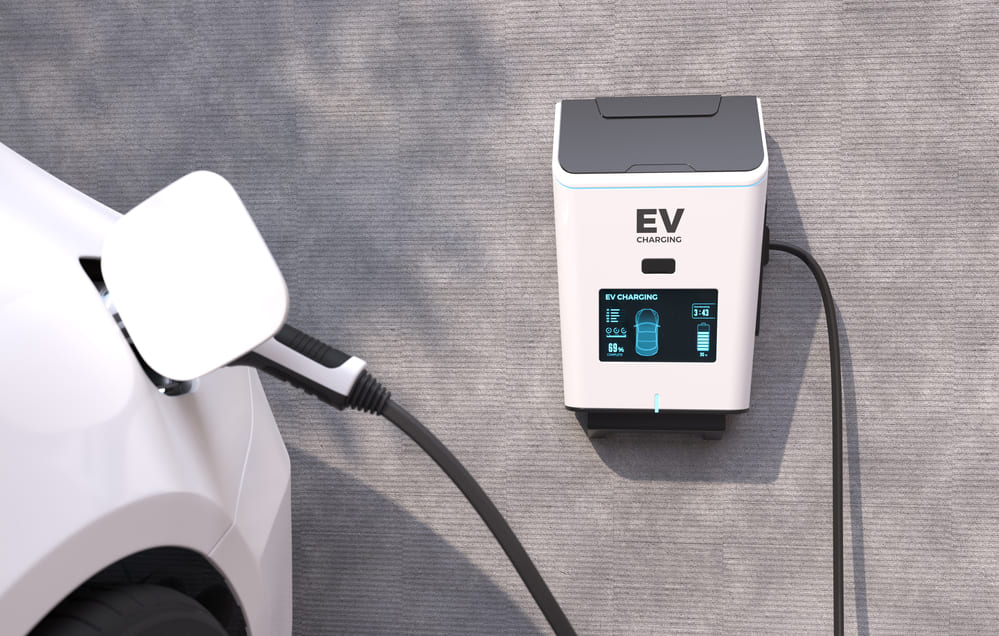
An electric vehicle charging station, commonly known in Indonesia as an SPKLU (Public Electric Vehicle Charging Station), is a facility designed to recharge the batteries of electric vehicles. These stations serve as essential infrastructure for EV owners and are commonly referred to as EV charging stations.
Much like a traditional gas station for gasoline-powered vehicles, an EV charging station supplies the energy needed to keep vehicles operating. The key difference is that instead of dispensing fuel, it delivers electricity to recharge the vehicle’s battery.
Types of Electric Vehicle Charging Technologies
As electric vehicle adoption continues to increase, charging technologies have evolved to meet a wide range of user needs. Each charging method offers different charging speeds and capabilities, making it important to choose the appropriate option based on battery capacity, charging location, and travel requirements.
EV charging is generally divided into the following types:
- Slow Charging (AC): Commonly used at homes and workplaces, this charging method requires a longer charging time. It is ideal for overnight charging or when the vehicle will remain parked for an extended period.
- DC Fast Charging: Frequently available at public locations such as shopping centers, highway rest areas, and commercial facilities, DC fast chargers can replenish battery power significantly faster than AC chargers. They are well suited for drivers who need shorter charging sessions.
- Ultra-Fast Charging: This technology utilizes high-power charging equipment to dramatically reduce charging time. Ultra-fast charging continues to evolve to support the growing mobility demands of modern EV users.
EV Charging Locations in Indonesia
The number of EV charging locations across Indonesia continues to expand, particularly in major cities, business districts, shopping malls, highway rest areas, and other public spaces. This ongoing development is expected to improve the convenience of EV ownership while expanding access to reliable charging infrastructure.
To learn more about electric vehicle charging facilities, visit the official SPKLU INVI Indonesia website. It offers detailed information on EV charging infrastructure, charging technologies, and various initiatives that support the growth of electric mobility in Indonesia.
The Development and Challenges of SPKLU in Indonesia
The expansion of Indonesia’s SPKLU network continues to show positive momentum as electric vehicle adoption increases and government policies accelerate the country’s energy transition.
However, several challenges remain, including:
- The availability of charging stations varies significantly between regions.
- The relatively high cost of building and maintaining charging infrastructure.
- The need for greater public awareness and education regarding EV ownership and the use of charging stations.
Continued collaboration among the government, private industry, and the public will remain essential to accelerating the growth of Indonesia’s electric vehicle ecosystem.
Electric vehicle charging stations play a critical role in supporting the development of a sustainable electric mobility ecosystem in Indonesia. As the SPKLU network becomes more extensive and accessible, the transition toward low-emission transportation and a cleaner energy future will continue to accelerate. Ongoing investment in charging infrastructure is therefore essential to making EV ownership more practical and accessible to a broader segment of the population. To learn more about SPKLU, charging technologies, and electric vehicle solutions, visit INVI Indonesia.