The Difference Between Renewable and Non-Renewable Energy: Toward a Clean Energy Transition
Published on : 8 January 2026
|
Last updated : 14 January 2026
|
Global energy demand continues to rise along with population growth, urbanization, and industrial activity. On the other hand, conventional energy resources are becoming increasingly limited and have significant environmental impacts. This situation is driving many countries, including Indonesia, to accelerate the transition toward clean and sustainable energy.
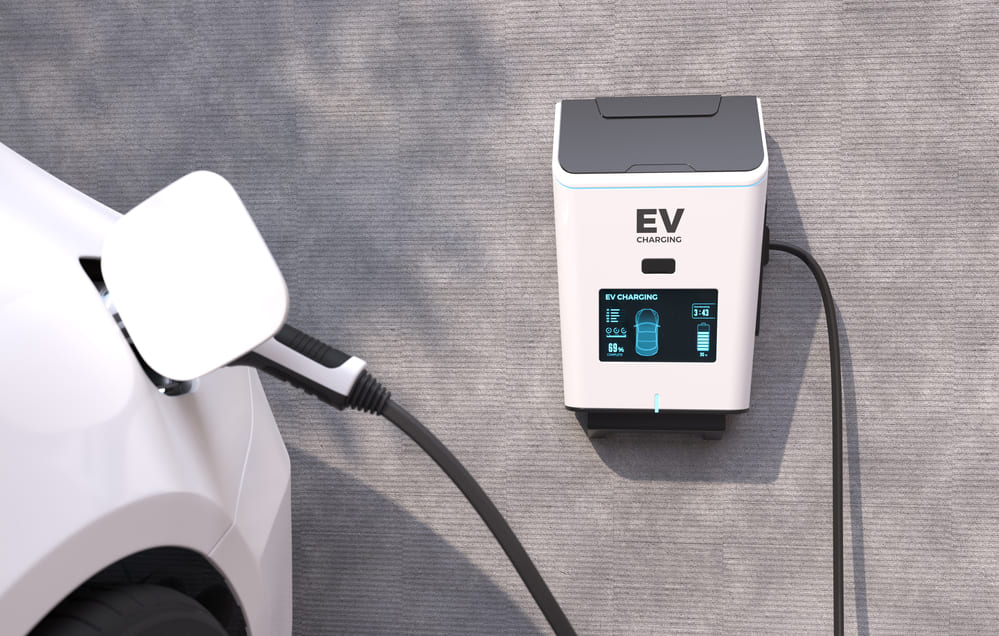
Understanding the difference between renewable and non-renewable energy is an important first step, especially in supporting the development of environmentally friendly transportation such as electric buses, electric shuttle buses, electric trucks, and the construction of SPKLU and EV charging stations in Jakarta and other major cities.
As part of this ecosystem, INVI plays an active role in providing commercial electric vehicle solutions and electric vehicle charging stations (SPKLU) to support Indonesia’s clean energy future.Definition of Renewable and Non-Renewable Energy
Renewable energy is energy derived from natural sources that can be replenished naturally and will not run out in the long term. Examples include solar, wind, water, and biomass energy, which can be used sustainably with relatively lower environmental impact.
Examples of renewable energy:
- Solar energy
- Wind energy
- Hydropower
- Biomass
These energy sources form a critical foundation for the development of electric vehicles (EVs), including electric buses, electric minibuses, and electric vans that are increasingly used in public transportation and industrial sectors.
Differences Between Renewable and Non-Renewable Energy
To make it clearer, here is a comparison between renewable and non-renewable energy sources:
| Aspect | Renewable Energy | Non-Renewable Energy |
| Availability | Naturally replenished and will not run out | Limited in quantity and will be depleted over time |
| Environmental Impact | More environmentally friendly, relatively low emissions | Produces high carbon emissions and pollution |
| Long-Term Cost | More efficient for long-term investment | Tends to be expensive as supply becomes limited |
| Examples | Solar, wind, water, biomass | Gasoline, coal, natural gas |
These differences are driving the shift toward low-emission technologies such as electric buses, EV trucks, and electric dump trucks that use electricity as their primary energy source.
Why Do We Need to Switch to Renewable Energy?
After understanding the difference between renewable and non-renewable energy, it is important to recognize why this transition matters:
1. Reducing Carbon Emissions
Transportation powered by renewable energy, such as electric buses and electric shuttle buses, helps reduce carbon emissions compared to fossil-fuel vehicles. This has a direct impact on improving air quality and the urban environment.
2. Improving Energy Efficiency
The use of electricity supported by renewable sources creates a more efficient energy system, especially when combined with integrated EV fast charging and charging stations in Jakarta and other cities.
3. Driving Green Industry Innovation
The energy transition opens major opportunities for green industries, from commercial electric vehicles and electric coach buses to the development of nearby SPKLU and charging stations in public areas and industrial zones.
INVI’s Contribution to the Energy Transition
INVI actively contributes to the energy transition through the development of technologies that promote the use of renewable energy. Innovations such as electric motor systems and power efficiency solutions are designed to reduce dependence on fossil fuels, while helping industries understand and apply the principles of renewable and non-renewable energy in their operations.
INVI’s commitment is not limited to technology alone, but also includes supporting industries in shifting toward cleaner and more energy-efficient solutions. Through this approach, INVI helps accelerate the adoption of sustainable energy and build a more efficient energy system for the future.
Indonesia’s Clean Energy Future
Understanding the difference between renewable and non-renewable energy is a crucial step toward a more sustainable future. With the growing adoption of electric buses, EV charging stations, and SPKLU, Indonesia has a strong opportunity to create a cleaner, more efficient, and more modern transportation system.
Supported by companies like INVI, the energy transition is not just a concept, but a real solution for public and industrial mobility.To learn more about charging stations, commercial electric vehicles, and EV solutions, visit INVI’s official website and discover your role in supporting Indonesia’s clean energy future.